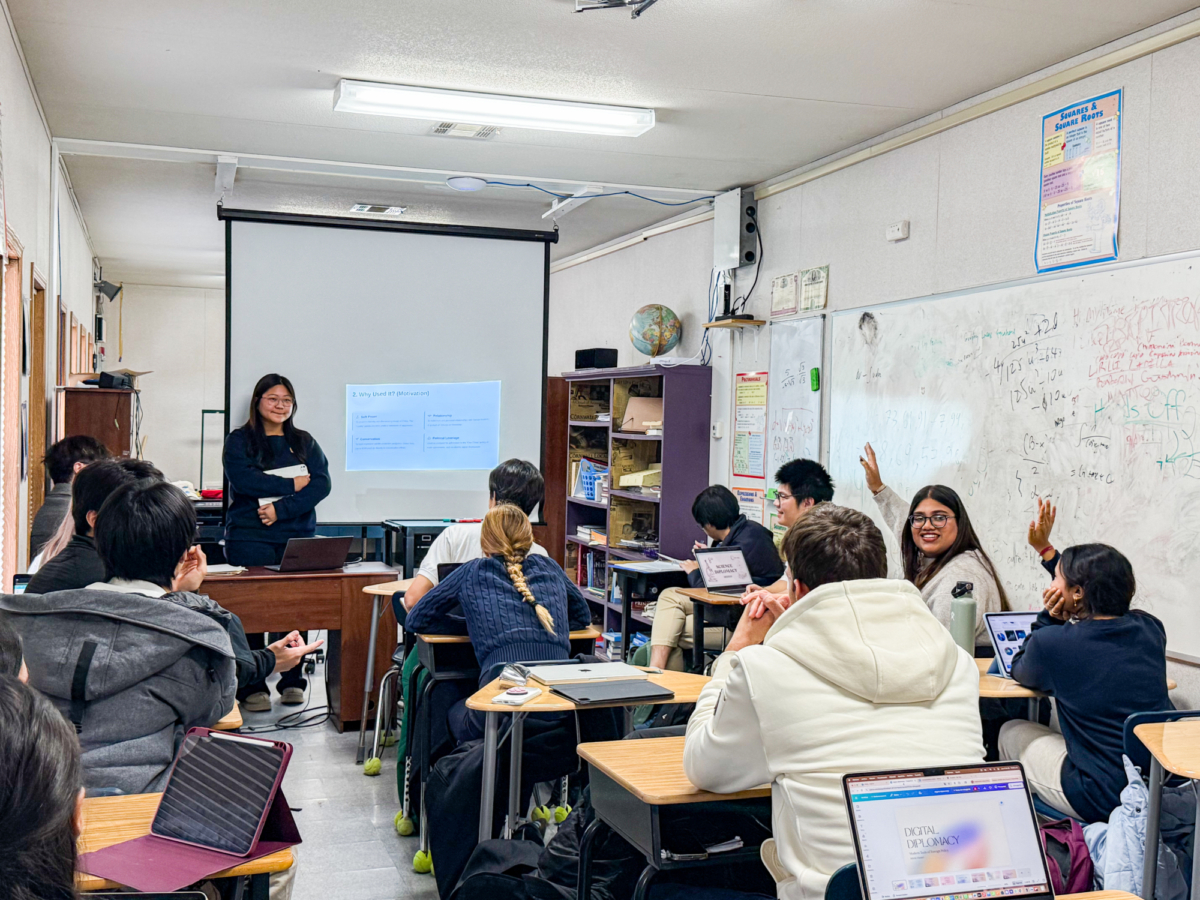
The International Relations course at The Storm King School starts with a simple idea: the best way to understand the world is to actively engage with it. Instead of memorizing facts or passively reviewing headlines, students spend their time analyzing real events, comparing different viewpoints, and practicing how to explain their reasoning clearly. They work together in debates, scenario exercises, and policy-writing assignments, all designed to help them understand how countries interact in a complicated, fast-changing world.
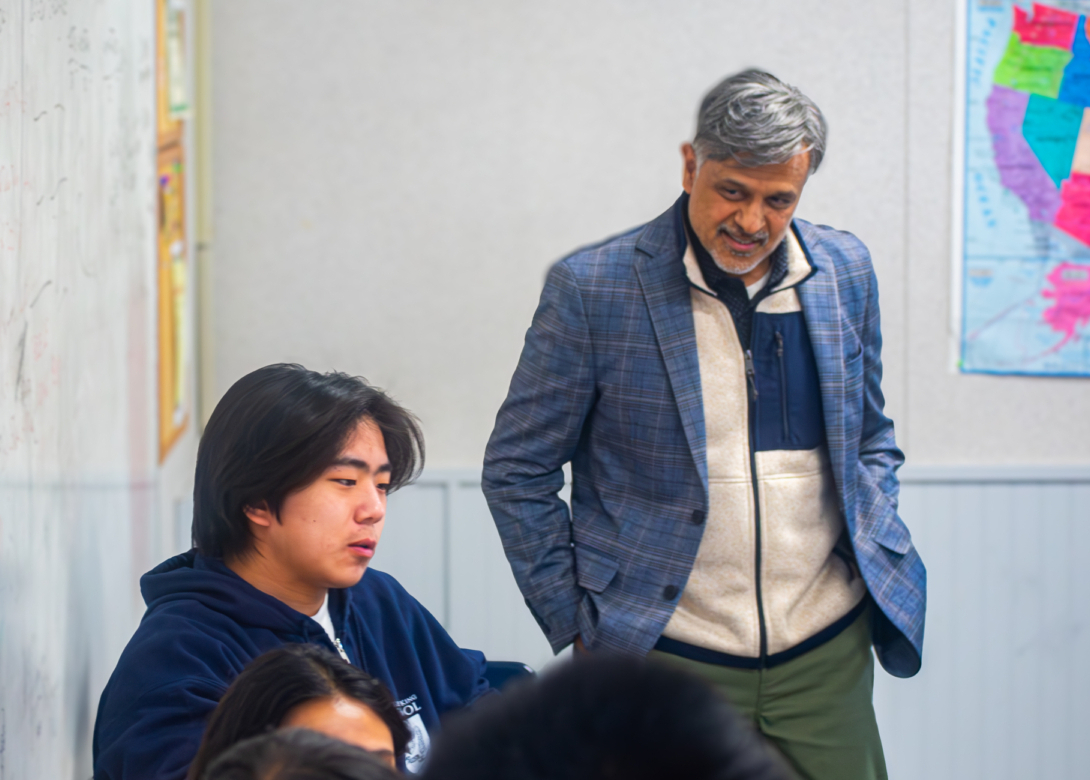
Students are currently focusing on how diplomacy is expanding beyond traditional government-to-government talks. “Today, international relationships are influenced by many new tools—technology, social media, science, trade, culture, finance, and even sports—and students are exploring these areas to understand how global influence works in modern settings,” explained teacher Mr. Siddiqui.
For their current project, each student selected one of these newer forms of diplomacy and prepared a presentation explaining what makes it effective and where it may face challenges. The goal is for students to choose a form of diplomacy they personally connect with and to think about how it shapes conversations and cooperation between countries.
Their topics reflect the wide range of tools countries now use. Some students examined technology diplomacy, discussing how partnerships in innovation can strengthen ties but also raise security concerns. Others looked at the influence of social media platforms like TikTok, pointing out how they can spread culture quickly while also creating misunderstandings or political pushback.
Other presentations covered areas such as science diplomacy, which often brings countries together through research; trade and tariff diplomacy, which can build cooperation or spark competition; cultural and art diplomacy, which relies on shared heritage; and digital diplomacy, which uses social platforms for communication but must contend with misinformation. Students also explored symbolic strategies like panda diplomacy, economic tools like debt diplomacy, and other efforts such as oil, sports, and healthcare diplomacy.
After each presentation, students held short question-and-answer sessions, encouraging one another to think more deeply about their topics and explain their conclusions clearly. These discussions reflected the everyday skills the course aims to build: asking good questions, supporting ideas with evidence, and considering the broader impact of global decisions.
As the semester comes to a close, students are gaining a clearer sense of how diplomacy now stretches across many parts of society—not just embassies and official negotiations. Their work shows that understanding international relations today means paying attention to the many ways influence is built, shared, or challenged in an increasingly interconnected world.